#1,098: Tomorrow, and Tomorrow and Tomorrow
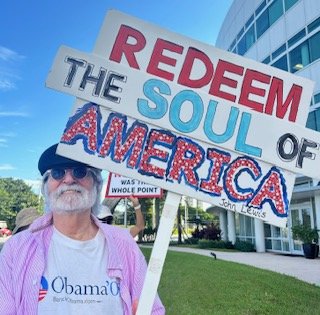
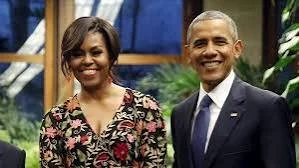
Me Sporting My Placard, Wearing My 2008 Obama T
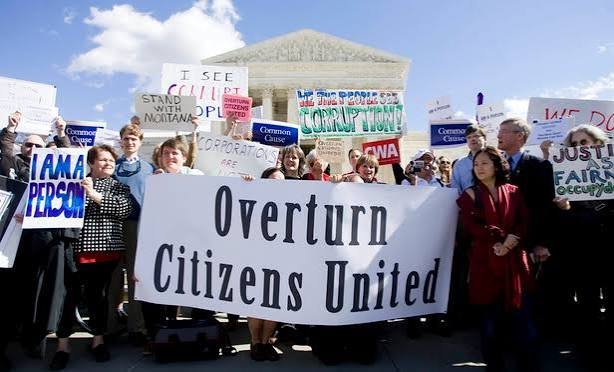
Tuesday, November 3, 2026, is a mere 15 days away. Already, hundreds of thousands—perhaps millions—have mailed in their ballots and are now anxiously awaiting notification from the local board of elections that it has accepted and duly registered their vote(s). Yesterday, I attended the latest local “No Kings” rally in Coral Springs, just a bit South of Boca Raton. Although it wasn't as well attended as previous rallies (it is our rainy season), hundreds of activists still came out, carrying colorful signs, singing and chanting through portable mics, and giving one another hugs, strength, and optimism.
Frequently, when I attend one of these rallies, I am approached by many fellow activists, university students, and readers of The K.F. Stone Weekly, who want me to give them a quick twenty-twenty about candidates for local office; about what’s behind state constitutional amendments; and about the ins and outs of municipal issues that they will find on their ballots. Understandably, most people who choose to spend their morning and early afternoon attending a “No Kings” rally are voting for Blue candidates. Indeed, the vast majority find fatal flaws in the current regime and its most ardent supporters, and find it virtually impossible to understand how members of the Congressional majority can remain steadfastly silent in the face of so much corruption and political putrefaction.
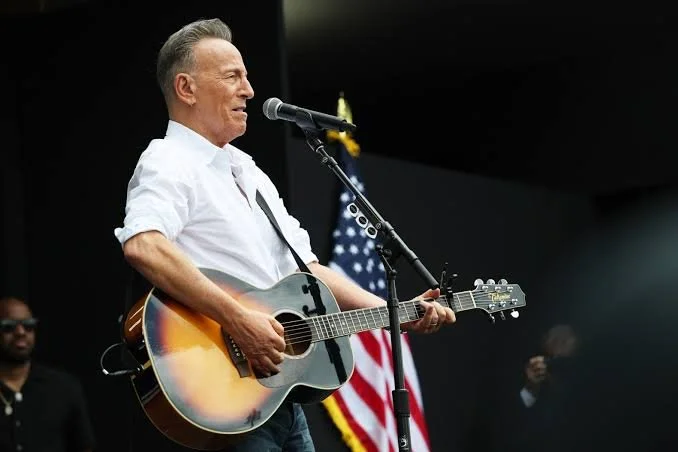
Taking part in political rallies has long played a huge role in my life. My earliest memory was about 60 years ago at a “No More War Toys” rally held on Santa Monica Beach. Back in those days, I played anti-war, anti-draft, and anti-war toy songs on my trusty 12-string Goya guitar in order to warm up crowds of protesters. At that first rally, as I recall, it was a Tom Paxton song, which had come out just the year before. (And here, I must give thanks to Skip Soskin, who first introduced me to the protest music of both Paxton and the late Phil Ochs):
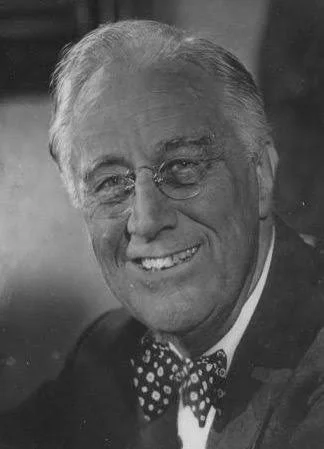
FDR (1882-1945)
Back in the days of anti-war, anti-draft, pro-RFK, pro-Clinton, pro-Obama, anti-Reagan, and now anti-MAGA rallies, I made it my business to attend, sing, sweat over, and write endless essays (in toto, more than 1.5 million words) in support of (or against) that which (or those who) preserve Democracy or defeat its enemies. It is something of a family legacy. My parents gave me the middle name “Franklin” after FDR, arguably America’s most civilized, most politically adroit POTUS. His 12+ years as president were a triumph for America’s future. Faced with the Great Depression, the rise of Nazis, Fascists, and bloodthirsty dictators, he managed to forge together an administration peopled by “the best and the brightest,'‘ a military capable of winning history’s most bloodthirsty war, and a nation willing to make personal sacrifices in the name of unity. And managed to accomplish this without needing to resort to fabrications or fictions, corruption, or calumny. And mind you, he did all this despite being paraplegic and an enemy of his own blueblood class.
Among the various questions I was asked at this weekend’s rally, one of the most fascinating — and telling — dealt not with whether I believed Democrats would take back both the House and Senate, but rather, would such a victory bring about a positive change for the economy, for the country and for the world in general. Would a victory on Capitol Hill and in the various states change the way we deal with one another? Might a modicum of civility and that which was once called politesse eventually replace insolence and disrespect in our public dealings? Can a “Blue Wave” help plant the seeds for such a metamorphosis? In short, can what we do (or cease doing) today have a positive effect on our many tomorrows? Powerful Shakespearean soliloquies aside, Tomorrow and tomorrow and tomorrow (Macbeth: Act V, Scene V) expresses a truth: that tomorrow — the future — is far more in our hands than in fate. The future need not be as slippery and opaque as it was for Macbeth at the time of his wife’s death (when he recited those 10 brilliant lines). In the soliloquy, Macbeth is asking himself if he’s still capable of feeling anything after his wife’s death -- specifically fear, and now he’s got to test that: can he feel even this? There’s a sense of traumatic dissociation here, as he almost watches himself and comments on his own reactions and his own situation more generally
I brought up the Macbeth soliloquy several times in conversation at the No Kings rally when asked questions about if – and how long it might take – for us to recover from the many miseries of MAGA and its Fondling Father. “Don’t expect things to change overnight,” I told them. “Remember: Rome wasn’t build in a day, but it burned in one.” Many, many people assume (and are praying) that a new Congress’ first major acts will involve impeachments, harsh justiice and handfuls of retaliation. Although I certainly can understand this prayerful assumption, I would nonetheless take cautious care. Remember the words of Paul Simon: One Man’s Ceiling is Another Man’s Floor. . Namely, if we use our power to get back at you for what you previously did to us, then one day you will justify the evil you are doing to us with the memory of what we previosly did to you. That’s not political progress; that’s hyper toxic revenge.
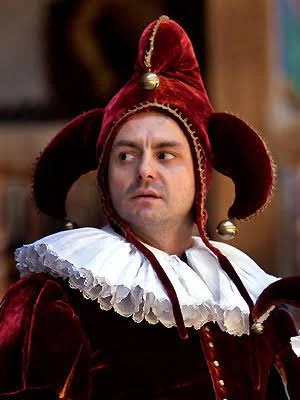
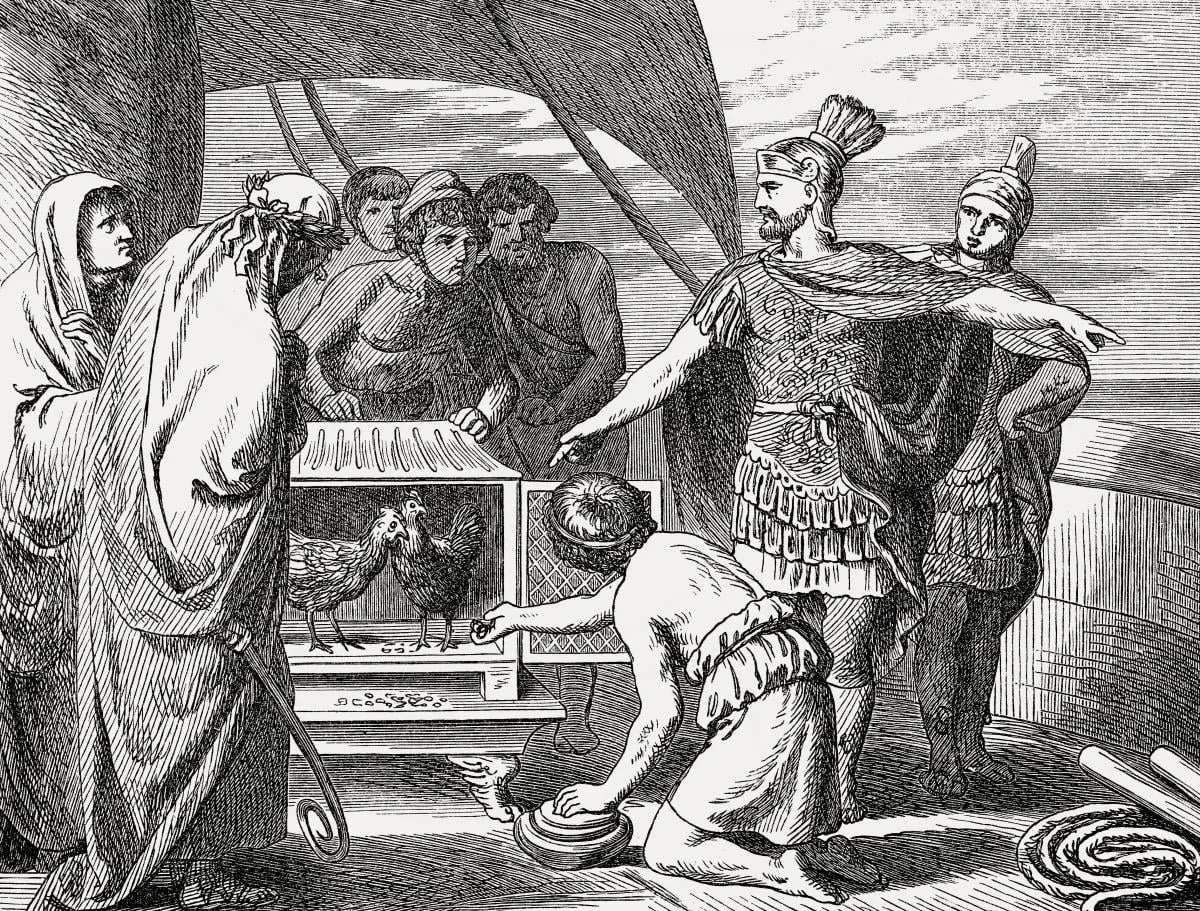
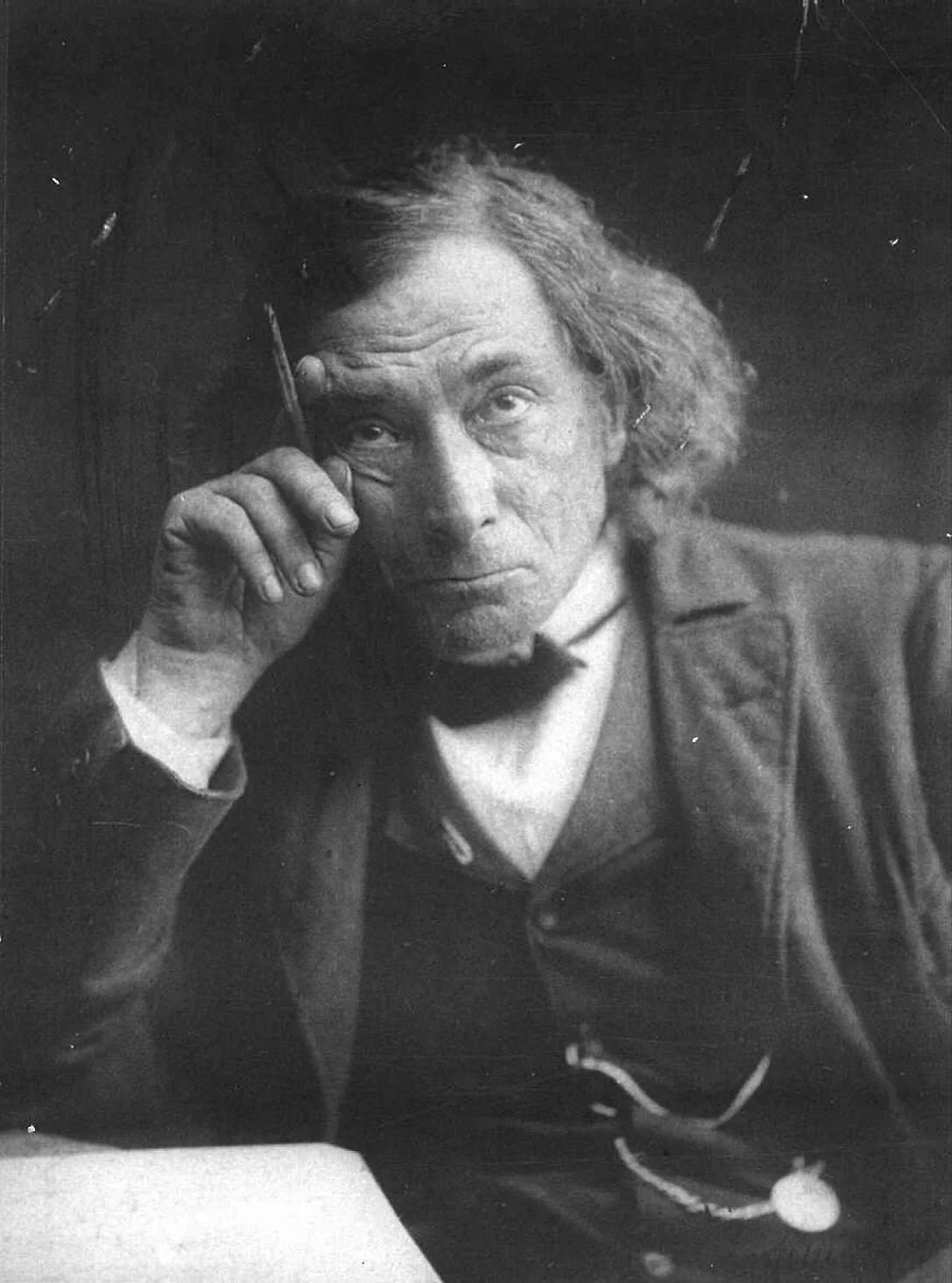
Touchstone, the Jester (“As You Like It”)
I think most of us will agree that taking back control of one or both chambers of Congress will not act as some sort of political panacea. It will — and can — put more honorable men and women in front of the nation’s cameras, instead of moronic appeasers who cannot find a single ounce of courage with which to call out their party’s leader for his corruption, his cowardice, his mendacity and his inability to demand nothing but unquestioning loyalty for those he appoints. What this country needs are leaders who carry themselves with class; who don’t make promises they know they will never fulfill; and are far more wont to speak in the first person plural (“we”) than the far more egotistical first-person singular (“I”).
Tomorrow, and tomorrow, and tomorrow may seem like a painful eternity. It need not. Just ask Shakespeare.
As we count down the final days until the midterm elections, remember this lesson from Touchstone, the court jester in the Bard of Avon’s great comedy, As You Like It (Act V, Scene I): The fool doth think he is wise, but the wise man knows himself to be a fool.” For our time, this sage advice should be committed to the memory of all those who wish to lead; all those who seek to build a better world:
True wisdom requires knowing the limits of your own understanding.
Someone who is genuinely wise recognizes how much they still have to learn.
Copyright©2026 Kurt Franklin Stone